

The Good Cashmere Standard Expands Animal Welfare Assessment on Audited Farms
.jpg.jpg)
- Bild-Infos
- Download
- 6 weitere Medieninhalte
Ein Dokument
Hamburg, 28 May 2026. With the Animal-related Animal Welfare Assessment (ARAWA), the Aid by Trade Foundation (AbTF) conducts a pioneering project for the second consecutive year in 2025, parallel to the independent verifications of The Good Cashmere Standard ® (GCS). ARAWA assessments provide a comprehensive overview of the health status of a herd on an audited farm, going beyond standard verification procedures. They are inherently complex, which still makes them a rarity in the standard sector, but offer support in identifying non-conformities and provide a holistic overview of the herd's well-being. Therefore, the Aid by Trade Foundation will continue this crucial project and even further expand it by 2027.
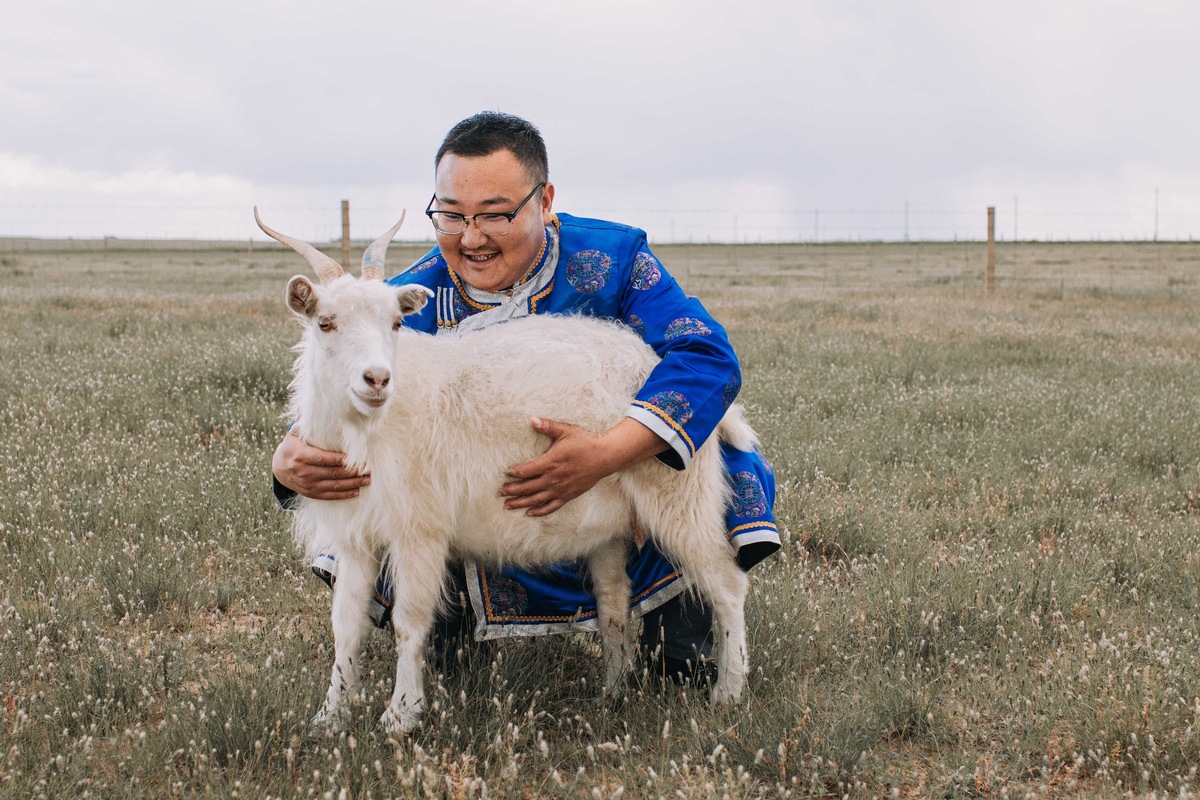
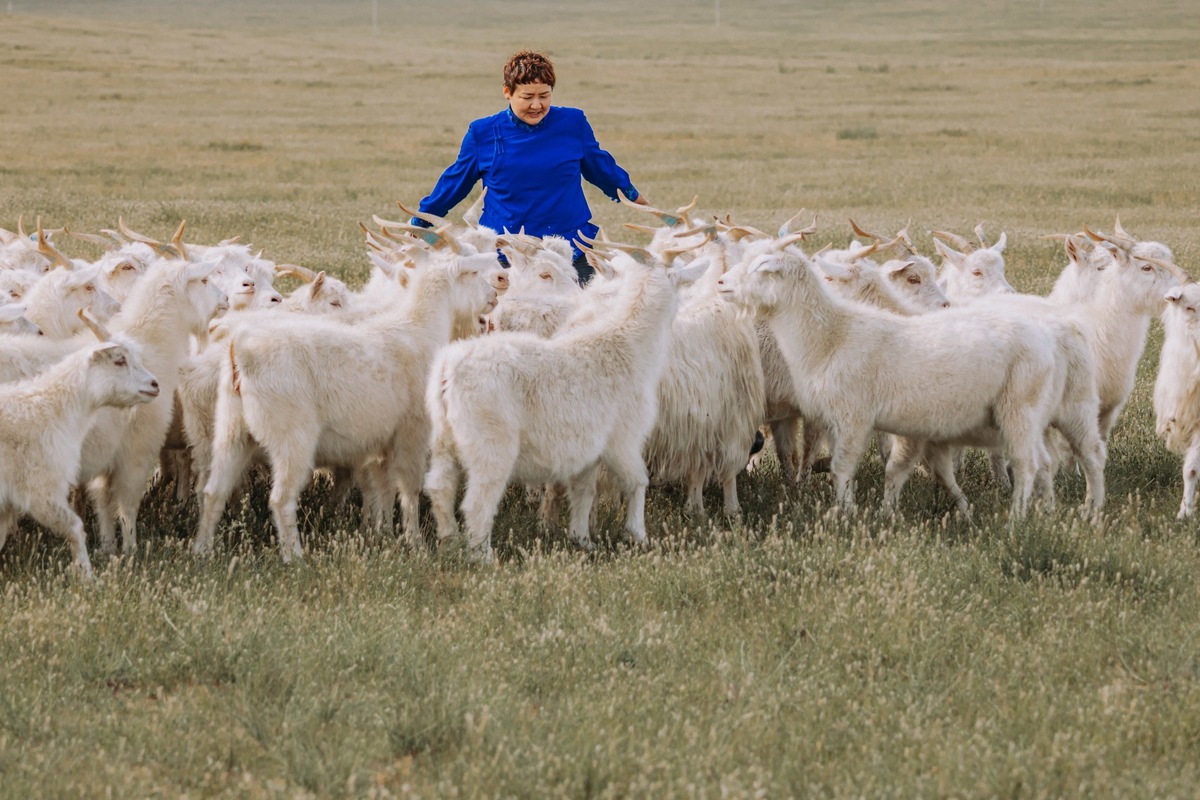
While criteria such as the availability of feed, good health, and suitable habitats for goats remain fundamental to the standard, The Good Cashmere Standard places great importance on animals also having positive subjective experiences. ARAWA assessments investigate whether the resources provided actually lead to improved animal welfare outcomes. The indicators used by GCS are directly linked to the Five Domains of animal welfare. The number of audited farms was expanded in 2025. The increase was 39 percent compared to the previous year: Since the start of the pilot project in 2024, the scope has been extended from 72 farms in 2024 to 100 assessed farms, from 3 to 9 regions in Inner Mongolia, and from 2,024 to 2,298 cashmere goats. There are also plans to gradually increase the number of farms surveyed by 2027.
"By deciding to fundamentally integrate ARAWA into our processes, GCS goes beyond the usual standard criteria for assessing animal welfare," says Marvin Heuduck, Head of The Good Cashmere Standard at the Aid by Trade Foundation, adding: "We are pleased that the current results confirm the good work on the GCS verified farms. From these results, we can gain new valuable information with which we will further develop animal welfare aspects according to regional and seasonal particularities and in close cooperation with herders and cashmere producers."
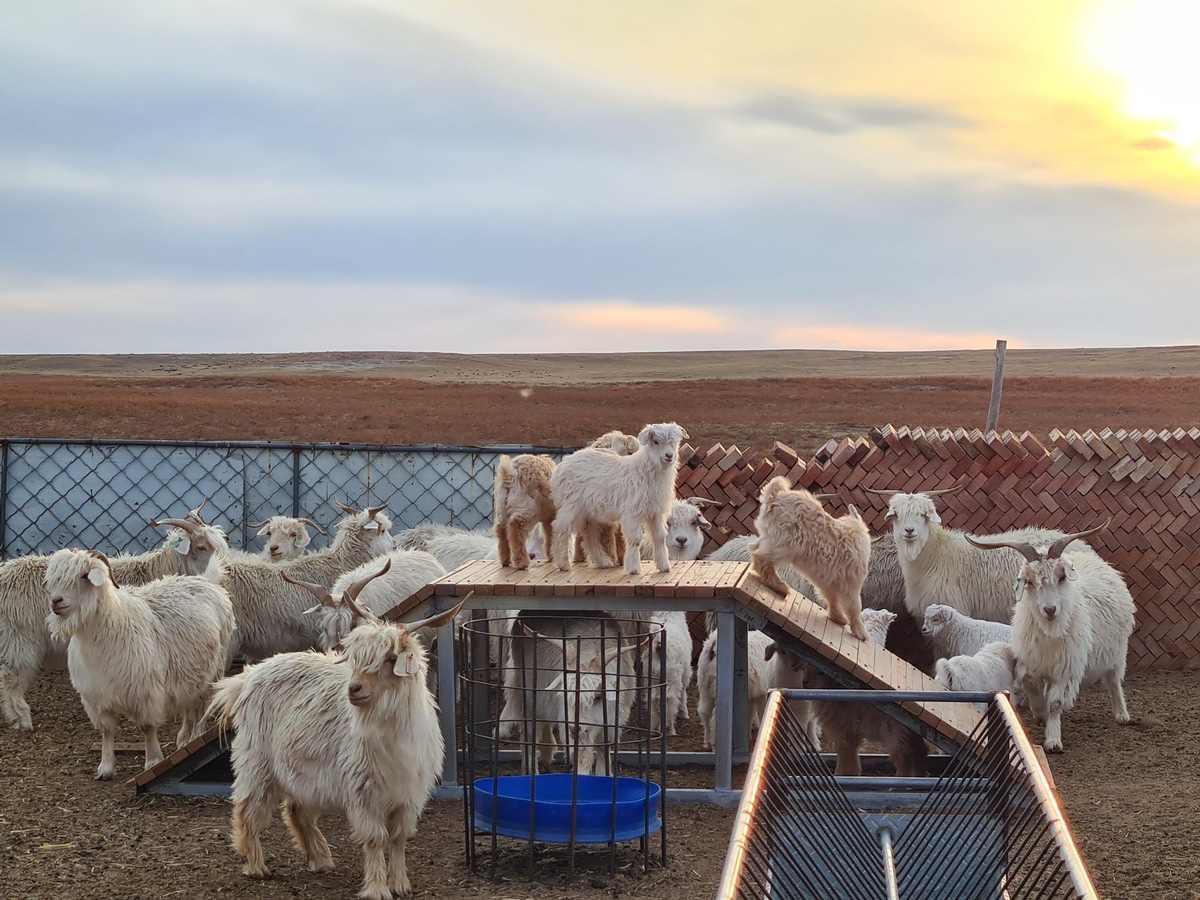
Eight specific parameters currently provide insight into the living conditions of cashmere goats regarding nutrition, environment, health, and land management. The review is conducted independently. Based on the data obtained, the general health status of the animals was classified as "good." There are no signs of underlying health problems.
Press Contact
Christina Ben Bella, e-mail: c hristina.benbella@abt-foundation.org
Holger Diedrich, e-mail:  holger.diedrich@abt-foundation.org
Aid by Trade Foundation | Werner-Otto-Straße 13 b | 22197 Hamburg | Deutschland
About The Good Cashmere Standard®
Through The Good Cashmere Standard® (GCS), the Aid by Trade Foundation has been setting the benchmark for sustainable cashmere production since 2019. It has since become the largest standard for verified sustainable cashmere fibres from Inner Mongolia. GCS criteria cover the most important aspects of cashmere production, having been developed with the aims of conserving nature and improving both the welfare of cashmere goats and the living conditions of goat farmers. In addition, GCS creates transparency in the final product by ensuring that only products provably containing verified cashmere fibres can bear the label of The Good Cashmere Standard. Learn more at: www.thegoodcashmerestandard.org
About the Aid by Trade Foundation
Founded in 2005 by the entrepreneur Prof. Dr Michael Otto, the Aid by Trade Foundation (AbTF) is now an internationally renowned non-profit organisation that works throughout the world to promote sustainable raw materials. Its activities make a decisive and measurable contribution to improving the living conditions of people and animals while protecting the environment. AbTF takes a practical approach by creating and maintaining a variety of standards to verify raw materials: Cotton made in Africa® (CmiA), Cotton made in Africa Organic (CmiA Organic), Regenerative Cotton Standard® (RCS), and The Good Cashmere Standard® (GCS). With changes in the climate and the markets increasingly posing challenges for textile companies and small-scale farmers, the standards have a fundamental role to play in ensuring their resilience and future viability. AbTF collaborates closely with industry experts and with specialists in animal protection and nature conservation. More information at: www.aidbytrade.org
.jpg.jpg)