
Over 40,000 Smallholders in India and Tanzania Growing Cotton Under Regenerative Cotton Standard

- Bild-Infos
- Download
- 6 weitere Medieninhalte
Ein Dokument
- Independent verifications of the Regenerative Cotton Standard® (RCS) have again beensuccess fully completedin India and Tanzania.
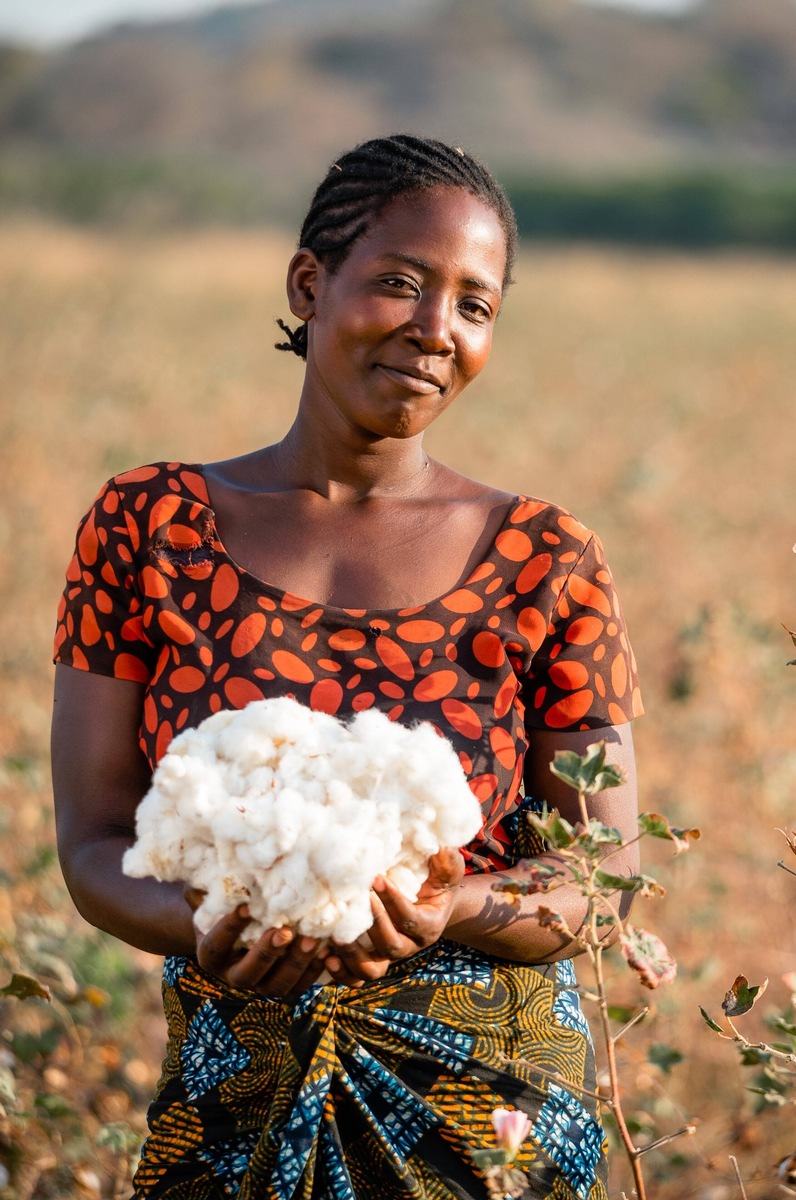
- In Tanzania, the number of RCS-verified farmers rose significantly, increasing by 87.8 percent to reach around 37,000.
- This round of verifications revealed that farmers in India and Tanzania have made significant progress in implementing the RCS requirements compared with the previous year.
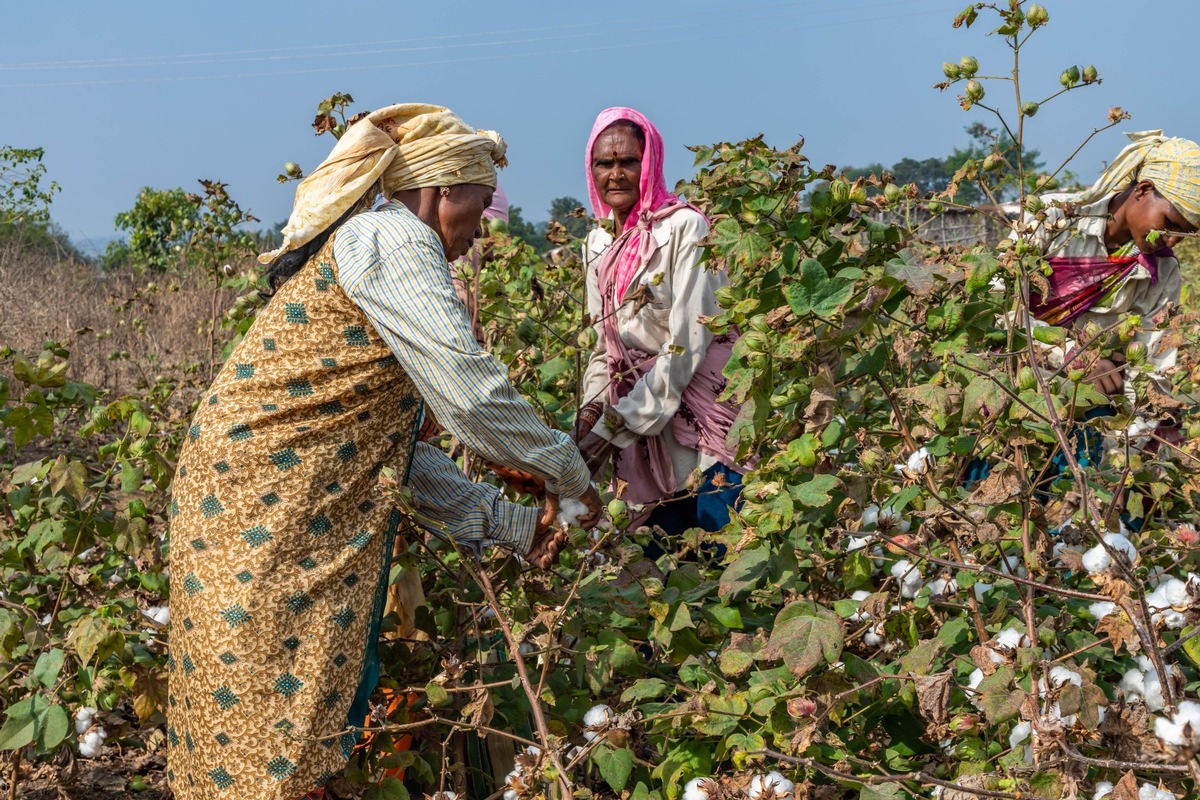
Hamburg, 2026-04-15. AbTF draws a positive conclusion from the results of the latest independent verifications of the Regenerative Cotton Standard® (RCS). Nearly 5,000 farmers in India and around 37,000 in Tanzania are now growing cotton in accordance with RCS requirements and have received the corresponding certificate; significant year-over-year improvements were achieved; and interested textile companies and fashion brands can procure RCS-verified cotton, tracking and documenting it transparently, from field to finished product, through the tracking system of the Aid by Trade Foundation (AbTF).
The RCS principles are geared towards improving the resilience and productivity of small-scale cotton farming while generating benefits for agricultural soils, rural communities, the biosphere, and the quality of life of livestock.
In India, verifiers evaluated the implementation of RCS requirements regarding transparency and fairness in cooperation as well as good working conditions as very good. They also delivered a positive assessment of compliance with standard requirements, including those aimed at restoring soil health and improving biodiversity.
In addition, the following improvements received explicit mention:
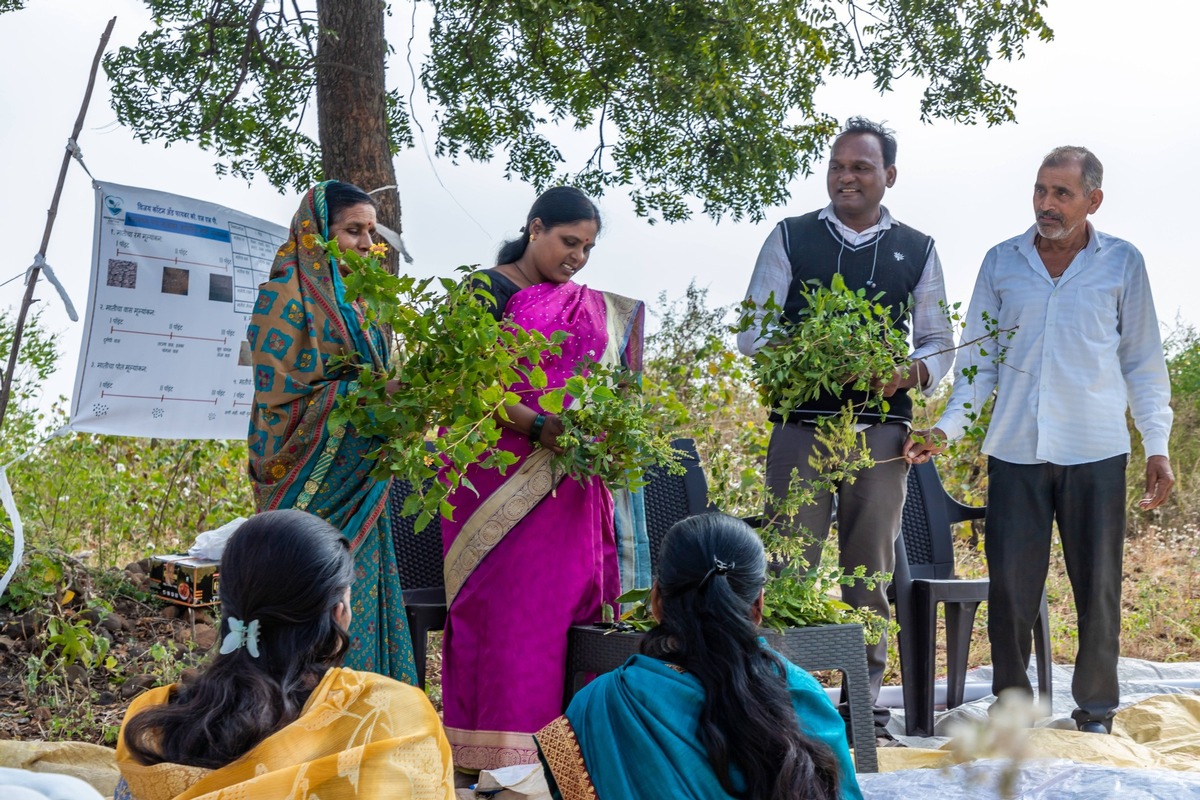
• Smallholders benefit from an expanded range of learning opportunities. With the addition of 38 new demonstration areas for regenerative cotton cultivation, there are now 50 arable areas where best practices for regenerative agriculture can be shared.
• Improved access to and use of protective clothing, which makes a big difference for the health and safety of farmers.
• Improved awareness among farmers about water collection systems that enable significantly more-efficient water use on farms.
• Positive changes in animal welfare in terms of open grazing practices.
While the number of RCS farmers in the Indian state of Maharashtra remained constant (at 5,000), there was a significant increase in RCS farmers in Tanzania: their number rose by 87.8 percent in comparison to the previous year, reaching around 37,000. With respect to compliance with RCS requirements in Tanzania, the following results stand out:
• Increased resilience for small-scale farms, including through improved market access for rotation crops.
• Cooperation with authorities in identifying relevant conservation areas and delivering training for small-scale farmers in order to better protect vulnerable ecosystems and endangered animal species.
• Measures to increase soil health and to build up soil organic matter.
• Increased use of natural pest control methods.
“Considering how extensive the criteria of the Regenerative Cotton Standard® are, we are thrilled with the verification results,” says Alexandra Perschau, the head of cotton standards at the Aid by Trade Foundation. “The independent auditors’ findings underline the considerable commitment displayed by implementation partners and by the associated small-scale farmers. They are working hard to put RCS criteria into practice.”
In addition to evaluating implementation partners’ internal management systems for robustness, the verifications assess how effectively participating farmers are implementing regenerative practices. Verifications are always carried out independently and through a risk-based approach. The process includes on-site field inspections as well as interviews and document checks for implementation partners and small-scale farmers.
Press Contact
Christina Ben Bella, e-mail:  christina.benbella@abt-foundation.org
Holger Diedrich, e-mail:  holger.diedrich@abt-foundation.org
Aid by Trade Foundation | Werner-Otto-Straße 13 b | 22197 Hamburg | Germany
About the Regenerative Cotton Standard:

Developed by the Aid by Trade Foundation (AbTF), the Regenerative Cotton Standard® (RCS) is a voluntary standard for cotton grown by small-scale farmers using regenerative farming methods. RCS aims to improve the overall resilience and productivity of small-scale farming while adding value to farmland, rural communities, the biosphere, and the quality of life of farm animals. To achieve these aims, RCS targets the entire production system rather than only the cotton itself. Learn more at:  regenerative-cotton.org
About the Aid by Trade Foundation:
Founded by the entrepreneur Prof. Dr Michael Otto in 2005, the Aid by Trade Foundation (AbTF) is an internationally renowned non-profit organisation that works throughout the world to promote sustainable raw materials. Its work makes a decisive and measurable contribution to improving the living conditions of people and animals while protecting the environment. With its verified raw materials Cotton made in Africa® (CmiA), Cotton made in Africa Organic (CmiA Organic), Regenerative Cotton Standard® (RCS) and The Good Cashmere Standard® (GCS), the foundation is putting its goals into practice. In view of the increasing challenges posed to small farmers and textile companies by the consequences of climate change and market shifts, the standards are of fundamental importance for their resilience and sustainability. The foundation works in close cooperation with industry experts and with specialists in animal and nature protection. More information at: www.aidbytrade.org