

spray drying absorption technology by GEA
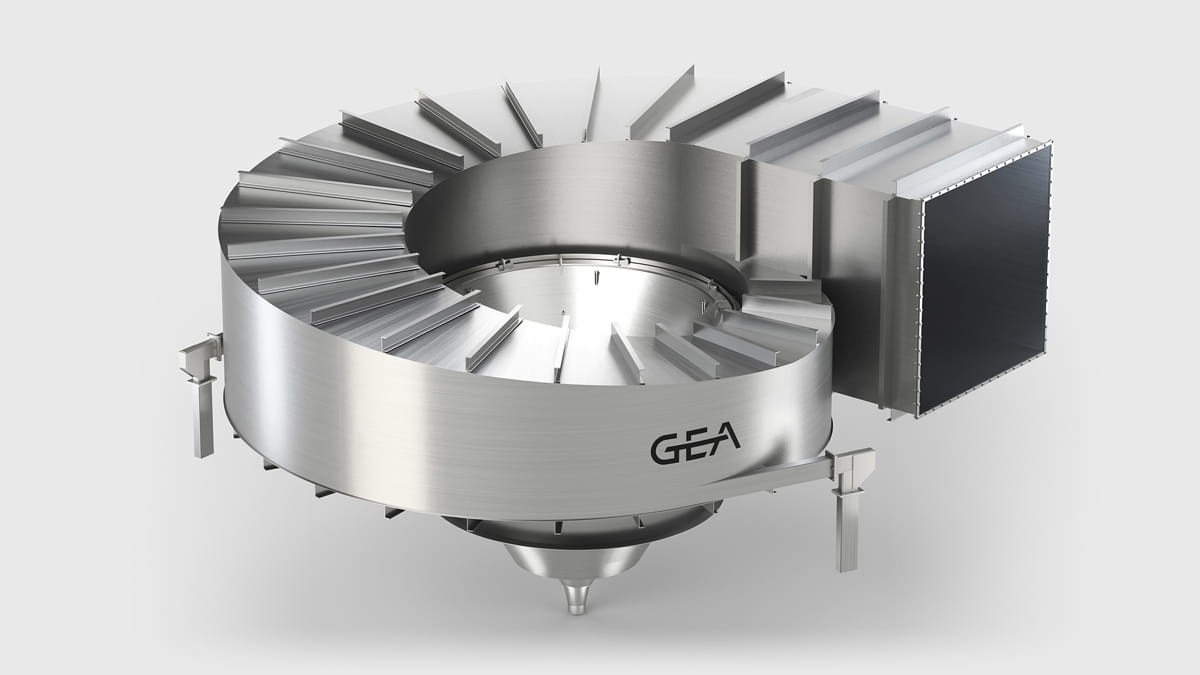
- Photo Info
- Download
Waste-to-energy plant operators can rely on GEA’s proven expertise in emission control to meet increasingly stringent environmental regulations. Building on decades of experience in flue gas cleaning, GEA offers its Spray Drying Absorption (SDA) technology to significantly reduce acidic and hazardous emissions from waste incineration processes.
Flue gases from waste-to-energy plants are characterized by highly variable compositions, impurities, and fluctuating operating conditions. GEA’s SDA solution is specifically designed to handle these challenges, enabling operators not only to reduce emissions reliably but also to take a further step toward climate positive operation concepts.
Flue gas desulphurization for waste-to-energy plants with GEA spray drying absorption technology
Duesseldorf (Gerrmany), May 5, 2026 – Waste-to-energy plant operators can rely on GEA’s proven expertise in emission control to meet increasingly stringent environmental regulations. Building on decades of experience in flue gas cleaning, GEA offers its Spray Drying Absorption (SDA) technology to significantly reduce acidic and hazardous emissions from waste incineration processes.
Flue gases from waste-to-energy plants are characterized by highly variable compositions, impurities, and fluctuating operating conditions. GEA’s SDA solution is specifically designed to handle these challenges, enabling operators not only to reduce emissions reliably but also to take a further step toward climate positive operation concepts.
Addressing the challenges of waste-to-energy applications
Spray Drying Absorption is a well-established solution for meeting strict emission limits applicable to waste incineration plants. These applications are typically characterized by relatively low flue gas volumes and high concentrations of acidic components, particularly hydrogen chloride (HCl).
GEA SDA systems for waste-to-energy plants are therefore designed with single-pass operation and compact absorber configurations, often featuring roof-mounted gas dispersers. The rotary atomizers used in these systems are usually of the GEA F 100 type and equipped with Hastelloy wheels, ensuring high reliability even under corrosive operating conditions.
Proven technology with decades of experience
In the SDA process, gaseous pollutants such as sulfur dioxide (SO₂), sulfur trioxide (SO₃), hydrogen chloride (HCl), mercury (Hg), and dioxins are efficiently converted by reaction with slaked lime (Ca(OH)₂). The result is a dry, stable powder that is easy to handle, store, and transport.
Every GEA Spray Drying Absorption system is individually tailored to meet customer-specific requirements as well as applicable environmental legislation. Proven system features such as peak-load control and activated carbon injection ensure particularly low emissions of mercury and dioxins, even under transient operating conditions.
Key benefits at a glance
- High acid-gas removal efficiencies
- Low capital, operating, and maintenance costs
- Low power and water consumption; suitable for low-quality water
- High plant availability and operational reliability
With its Spray Drying Absorption technology, GEA supports waste-to-energy plant operators in achieving reliable compliance with emission standards—today and in the future.
NOTES TO THE EDITOR
- More information about GEA
- To the GEA Media Center
- Follow GEA on LinkedIn, Youtube
Contact Media Relations
GEA Group Aktiengesellschaft
Michael Golek
Ulmenstr. 99, 40476 Düsseldorf, Germany
Phone +49 211 9136-1505
 michael.golek@gea.com
About GEA
GEA is one of the world’s largest suppliers of systems and components to the food, beverage and pharmaceutical industries. The international technology group, founded in 1881, focuses on machinery and plants, as well as advanced process technology, components and comprehensive services. For instance, every second pharma separator for essential healthcare products such as vaccines or novel biopharmaceuticals is produced by GEA. In food, every fourth package of pasta or every third chicken nugget are processed with GEA technology.
With more than 18,000 employees, the group generated revenues of about EUR 5.5 billion in more than 150 countries in fiscal year 2025. GEA plants, processes, components and services enhance the efficiency and sustainability of customers’ production. They contribute significantly to the reduction of CO2 emissions, plastic usage and food waste. In doing so, GEA makes a key contribution toward a sustainable future, in line with the company’s purpose: ”Engineering for a better world.”
GEA is listed on the DAX, the STOXX® Europe 600 Index and is also a constituent of the leading sustainability indices DAX 50 ESG, MSCI Global Sustainability and Dow Jones Best-in-Class World.
More information can be found online at gea.com.
If you do not want to receive any further information from GEA, please send an e-mail to pr@gea.com.
About the GEA Foundation
The GEA Foundation, established in 2025 by GEA Group, supports global and local projects in STEM education, child poverty reduction, infrastructure access and disaster relief. Through its Mission 30 strategy, GEA commits to donating one percent of annual net profit to build resilient communities.
More information can be found online at gea.com/foundation.
Further material to download

document:  2026.05.05_GEA-Spray~yer Absorber-e.docx

document:  2026.05.05_GEA-Spray~yer Absorber-d.docx