
Biodiversity Project in Tanzania: On Earth Day 2026, AbTF Delivers Positive Interim Report
- Photo Info
- Download
- 7 additional media items
One document
• Protection of 100,000 hectares of savanna through community-based nature conservation
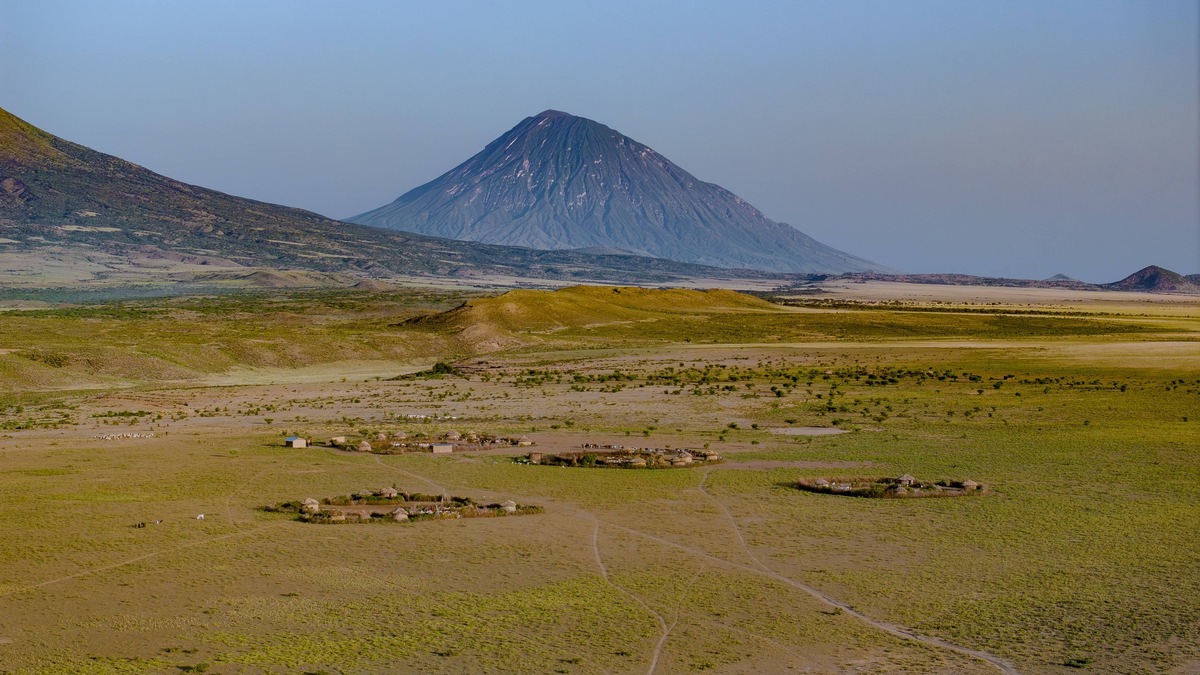
• Preservation of biodiversity and pasture quality in Tanzania’s Engaruka Valley, actively supported and promoted by local village communities
• Groundbreaking melding of Indigenous knowledge and innovative technology
• Use of real-time monitoring tools by Maasai herders, with data based on observations by designated members of village communities
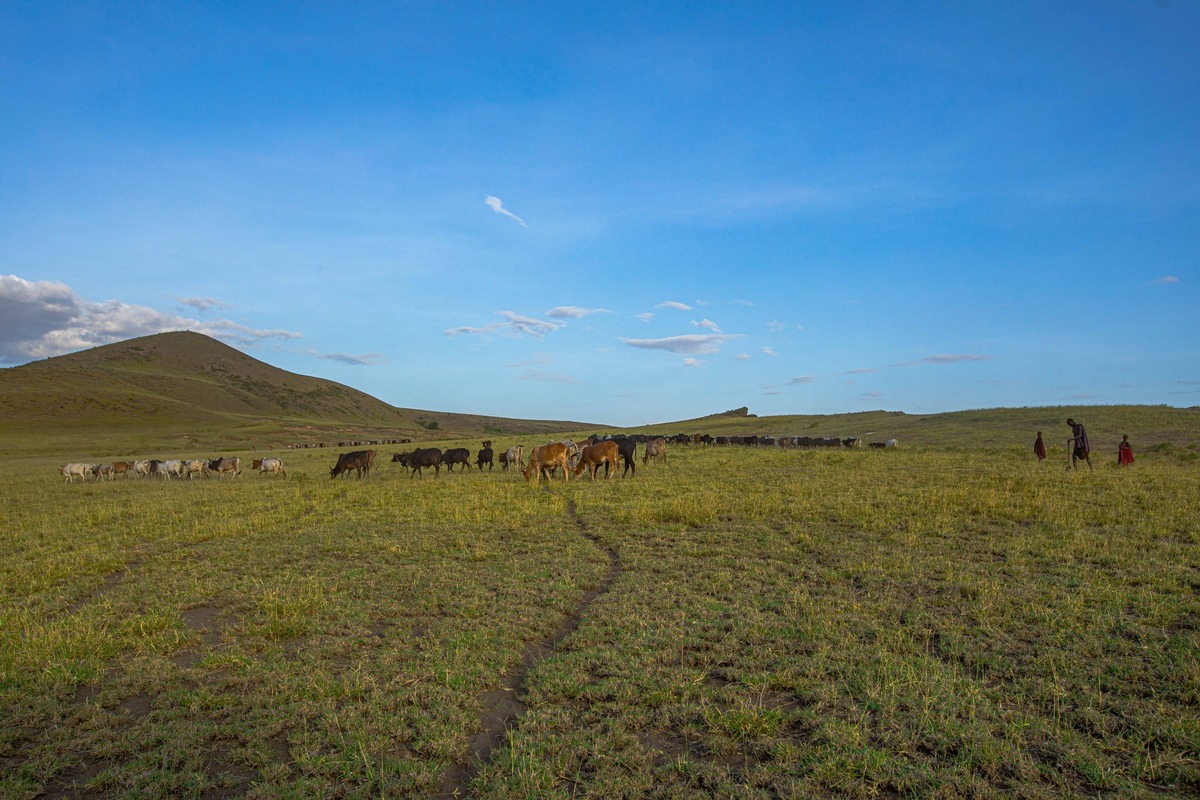
Hamburg, 22 April 2026. To strengthen the protection of nature and of biodiversity in sensitive ecosystems, the Aid by Trade Foundation (AbTF)—through its AbTF Biodiversity Fund, established in 2025—is supporting a project by African People & Wildlife (APW). APW is internationally renowned for its community-driven nature conservation projects. This project aims to protect 100,000 hectares of savanna in Tanzania. The first six months have yielded good results. Thanks to long-term and intensive collaboration with the village communities, the majority of the interim goals have already been achieved, according to a report by APW.
African People & Wildlife supports local communities that are willing to protect, restore, and sustainably use savanna through rotational grazing, mobile real-time monitoring tools, and the incorporation of traditional ecological knowledge. In view of the growing population and livestock numbers, coordinated rangeland management is simply essential, says Maria Lemuta Lazier, the secretary of the grazing committee in the village of Esilalei, which is participating in the project. “Without livestock, there is no livelihood, and without rangeland, there can be no livestock,” adds Lazier.
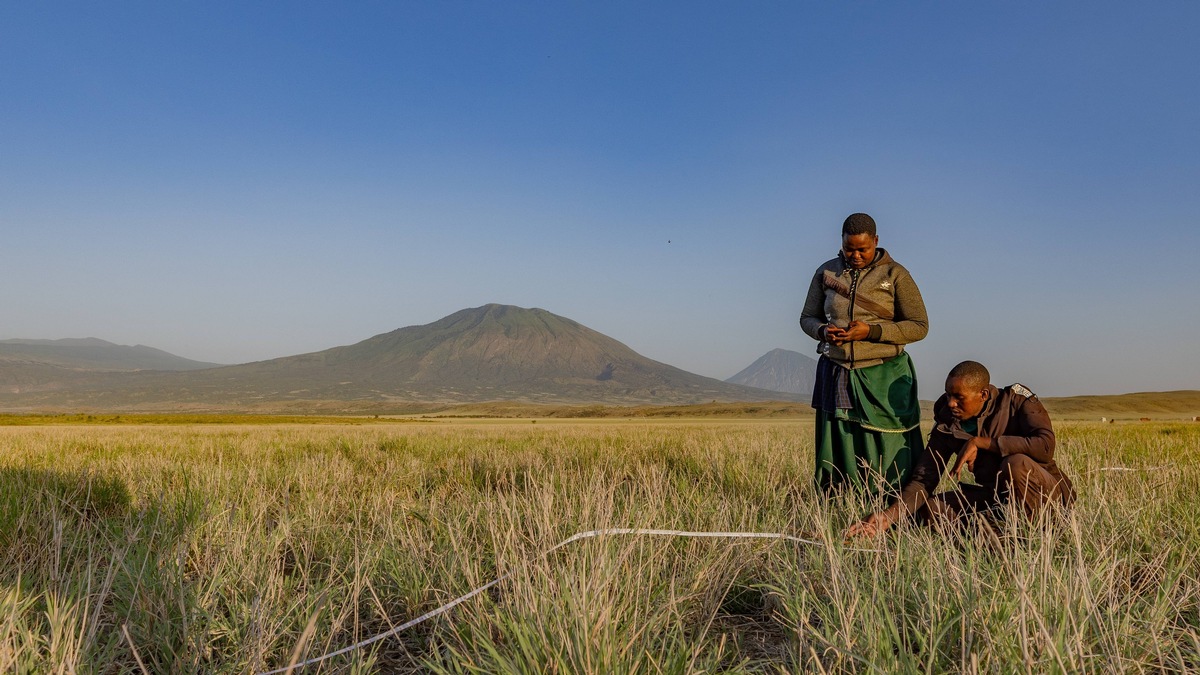
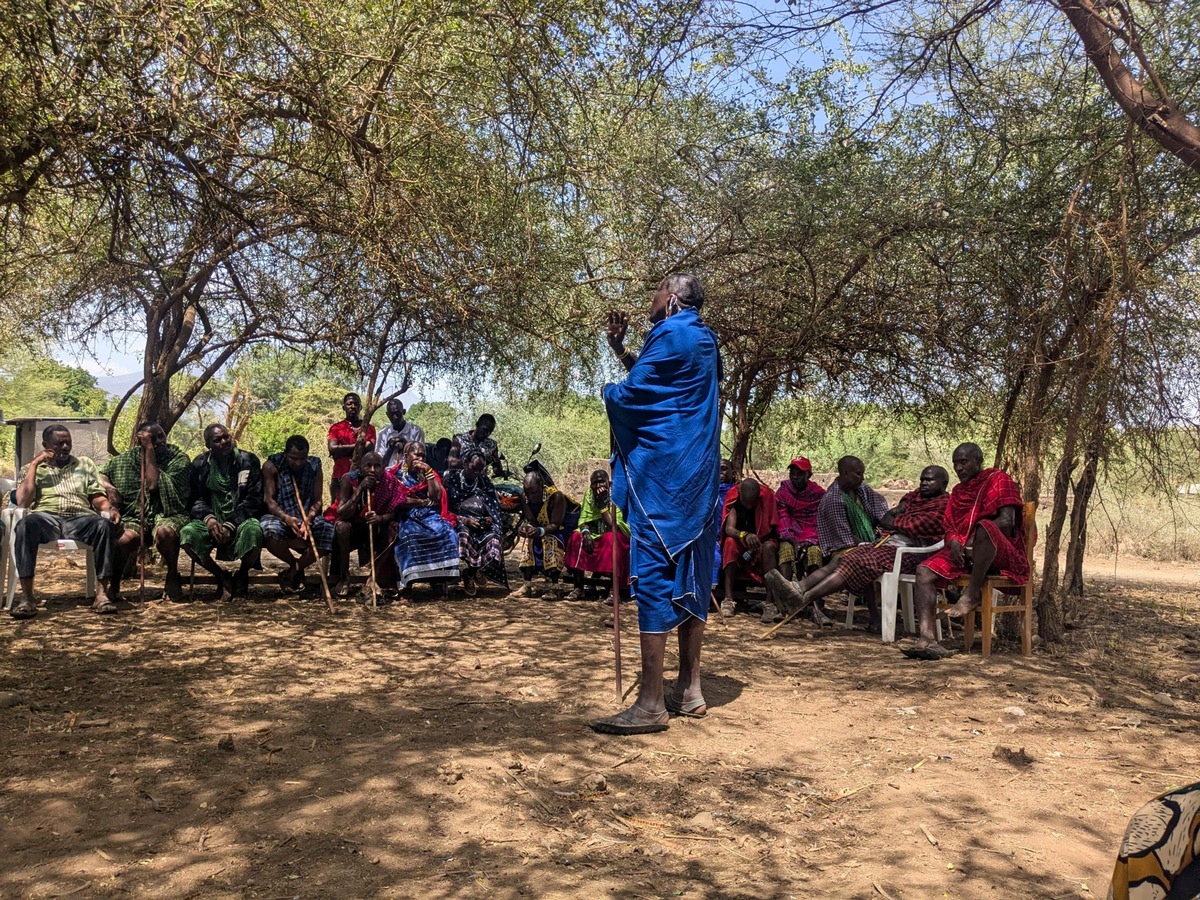
The project, financed through the AbTF Biodiversity Fund, is focussed on the Engaruka Valley. Over the past few months, meetings have been held there to facilitate in-depth dialogue with local communities from eleven villages. Among other things, plans for the use of the grazing land were presented and data on pasture quality were discussed. A total of 220 people took part in these important community feedback meetings, including members of the grazing committees and representatives of the pastoral women’s council. A key structural role was played by the community-based rangeland monitoring system set up by APW. This system’s input includes data collected by designated village members from activity reports and from the ecological monitoring of the savanna.
Every month, the collected data is fed into an APW database, where it is visualised and made available to the villages in digital form, via mobile monitoring dashboards. This information enables village communities to ensure that the savanna is grazed sustainably and without damage to its biodiversity.
These collaborative efforts have already yielded concrete measures to protect the savanna. Observation data from the village of Engaruka Juu at the foot of the Ngorongoro highlands, for example, found a violation of the current grazing plan. As a result, the grazing committee took countermeasures and advocated for a corresponding change to the village ordinances.
The APW monitoring system was also useful for identifying savanna areas affected by invasive plant species. Identification enables targeted control measures that can, in turn, ensure the biodiversity conservation necessary to maintain pasture quality. For the Savanna Monitor Yohana Lengiteng, the system therefore represents an “early warning system”. Furthermore, the combination of technical and Indigenous knowledge is also of central importance for his work.
The AbTF Biodiversity Fund’s support enables African People & Wildlife to extend its successful community-led management programme to grazing areas of other villages in northern Tanzania’s Rift Valley. There, too, the focus is on promoting holistic, evidence-based grassland management for healthy and resilient ecosystems. Specifically, APW’s activities centre on anchoring the project in the community and on integrating its digital real-time monitoring system.
For the coming months, further project milestones are in sight. These include training new savanna monitors, conducting further feedback rounds and workshops, and improving the condition of several hundred hectares of savanna.
Press Contact
Christina Ben Bella, e-mail:  christina.benbella@abt-foundation.org
Holger Diedrich, e-mail:  holger.diedrich@abt-foundation.org
Aid by Trade Foundation | Werner-Otto-Straße 13 b | 22197 Hamburg | Germany
About the Aid by Trade Foundation
Founded by the entrepreneur Prof. Dr Michael Otto in 2005, the Aid by Trade Foundation (AbTF) is an internationally renowned non-profit organisation that works throughout the world to promote sustainable raw materials. Its work makes a decisive and measurable contribution to improving the living conditions of people and animals while protecting the environment. With its verified raw materials Cotton made in Africa® (CmiA), Cotton made in Africa Organic (CmiA Organic), Regenerative Cotton Standard® (RCS) and The Good Cashmere Standard® (GCS), the foundation is putting its goals into practice. In view of the increasing challenges posed to small farmers and textile companies by the consequences of climate change and market shifts, the standards are of fundamental importance for their resilience and sustainability. The foundation works in close cooperation with industry experts and with specialists in animal and nature protection. More information at: www.aidbytrade.org
.jpg.jpg)

(1).jpg.jpg)
.jpg.jpg)