

Europäischer Rechnungshof - European Court of Auditors
Western Balkan transport network’s integration into the EU is too slow
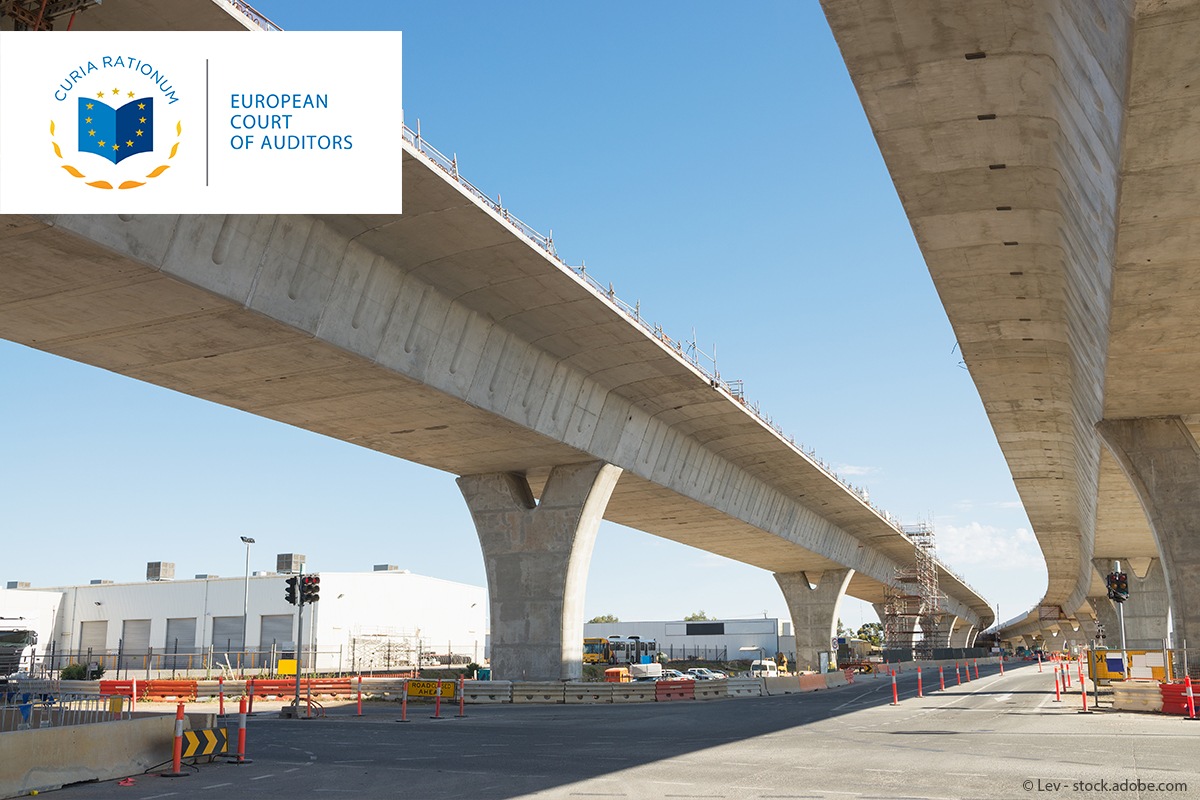
- Photo Info
- Download
Press release
Luxembourg, 9 June 2026
Western Balkan transport network’s integration into the EU is too slow
- Western Balkan countries committed to completing the core EU transport network by 2030
- The European Commission paid over €500 million to transport projects in the region
- EU auditors found project delays, weak monitoring, and sustainability issues
Western Balkan countries are set to miss the 2030 deadline to complete the core European transport network in the region because of implementation delays and operational difficulties, according to a new report by the European Court of Auditors (ECA). Progress has been slowed by immature project selection and shortcomings in supervision. Although the audited projects matched the connectivity priorities, the monitoring, reporting and visibility of EU support are insufficient, and delays and sustainability issues persist.
The Western Balkan countries – Albania, Bosnia and Herzegovina, Kosovo *, Montenegro, North Macedonia, and Serbia – are at the heart of EU enlargement policy. The EU supports their transport, energy and other sectors through the Western Balkans Investment Framework (WBIF) – a platform for preparing, selecting and funding strategic investment projects. From 2015 to mid-2025, the Commission paid €527 million for transport projects as the main contributor to the WBIF, which is aimed at tackling the under-development of infrastructure in the region and linking it to the core European transport network.
“In terms of EU enlargement, well-developed infrastructure is a step towards meeting the bloc’s accession criteria. The Western Balkans’ transport projects are progressing too slowly to connect the region to the EU this decade,” said Laima Andrikienė, the ECA Member in charge of the report. “The Commission should improve the selection, monitoring and sustainability of projects, and enhance the visibility of EU-funded transport projects in the region.”
The auditors found weaknesses in project selection, particularly regarding their maturity, which added to significant implementation delays. A project is mature – i.e. ready for implementation – when its preparatory work is completed and up to date. However, projects typically started with a 17-month delay. In addition, many projects faced significant delays of more than two years during implementation.
The Commission has little power to enforce timely implementation, as it lacks effective procedures for monitoring delays, and for ensuring the sustainability and visibility of EU support. For example, it failed to gather information about the degree of completeness of the transport corridors it was funding, or whether transport networks complied with EU standards. It relied on financial institutions to supervise the projects, even though their work was sometimes inadequate. As a result, in certain instances it transferred amounts that exceeded those warranted by the progress projects had made. In addition, in several cases the WBIF grants – which aim to provide EU value and leverage – were not essential for raising money, as the loan contracts had been signed before the grant applications were submitted. This created a deadweight effect, as the investment would have gone ahead without the grant. At the same time, most cost estimates in the grant applications lack detail, making it difficult to assess whether they are reasonable.
The auditors also raise doubts about the sustainability of several projects, for example due a lack of funds to continue with the investments and insufficient maintenance. In one project, rail conditions at the time of the audit were worse than before the project started. In another, a tunnel had no connection to a road. In a third project, the railway track stopped at the border.
In conclusion, the WBIF helps to extend the core European transport network. Many projects have been launched, and those checked by the auditors are aligned with the connectivity priorities of the Western Balkans and the EU. However, data show slow progress on achieving all the core European network standards by 2030.
Background information
The WBIF serves as a forum for exchanging analysis of investment needs, and as a blending mechanism through which EU grants make it easier to raise loans. Its specific objective in the transport sector is to improve connectivity within the region, and between the Western Balkans and the EU. The EBRD and the EIB manage donors’ contributions through a joint fund. The Commission has provided the vast majority of the funding – with €899 million, or 86 % of the total, having been transferred into the fund account since 2015 – for six sectors, including transport. The auditors checked 12 transport projects (road, rail, and inland waterways) worth €341.6 million, and examined whether they had delivered tangible results in Bosnia and Herzegovina, Kosovo*, North Macedonia, and Serbia.
Special report 16/2026, “Western Balkans Investment Framework: EU support addresses connectivity needs, but integration into the core transport network is slow”, is available on the ECA website, together with a one-page overview of the key facts and findings. On 30 June, the ECA will hold a conference on the subject with EU institutions and stakeholders.
* The designation ‘Kosovo’ is without prejudice to positions on status, and is in line with UN Security Council Resolution 1244/1999 and the International Court of Justice’s opinion on Kosovo’s declaration of independence.
Contact:
ECA press office: press@eca.europa.eu